


“I don't know, like I feel like the people I was hanging out with weren't that into it but I just really loved this record and felt like the live nature of the sound and the sort of mix of electronics with rock music probably had a bigger impact on me than I realized.”Watch this moment

Hail to the Thief
Radiohead
Emerging from a turbulent political backdrop, this 2003 release blends the ethereal and the abrasive, creating a soundscape that feels both urgent and contemplative. The album showcases Radiohead's signature approach to alternative rock, characterized by a mix of electronic elements and traditional instrumentation. The use of layered guitars, haunting synths, and unconventional percussion gives each track a distinct texture, while Thom Yorke’s vocals oscillate between vulnerability and defiance. The production, helmed by Nigel Godrich, emphasizes a stark contrast between the organic and the synthetic. Tracks like "2+2=5" open with an unsettling buildup, punctuated by driving rhythms that reflect a sense of chaos. Conversely, "Sail to the Moon" offers a more tender moment, featuring delicate piano lines and ambient soundscapes that evoke a sense of longing. The haunting "There There" introduces a tribal beat alongside intricate guitar work, illustrating the band’s ability to fuse disparate influences into a cohesive whole. Lyrically, the album critiques societal complacency and the erosion of personal freedoms, echoing the disillusionment felt in the early 2000s post-9/11 world. The title itself serves as a biting commentary on the political climate, adding layers of meaning to the music. Each track unfolds with a sense of purpose, reflecting an era of uncertainty while inviting listeners to confront their own complicity. This record stands as a testament to Radiohead's ability to evolve their sound while remaining deeply engaged with the cultural zeitgeist.
Picked by
Tracklist
14 tracks · 56:35 · click to preview1
2 + 2 = 5
3:19
2
Sit Down. Stand Up
4:19
3
Sail to the Moon
4:18
4
Backdrifts
5:22
5
Go to Sleep
3:21
6
Where I End and You Begin
4:29
7
We Suck Young Blood
4:56
8
The Gloaming
3:32
9
There, There
5:23
10
I Will
1:59
11
A Punch Up at a Wedding
4:57
12
Myxomatosis
3:52
13
Scatterbrain
3:21
14
A Wolf at the Door
3:21
















Tender Buttons
Broadcast
2005


Pretty Hate Machine
Nine Inch Nails
1989

Marquee Moon
Television
1977
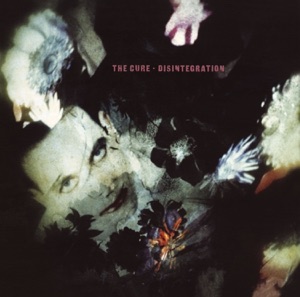

Disintegration
The Cure
1989
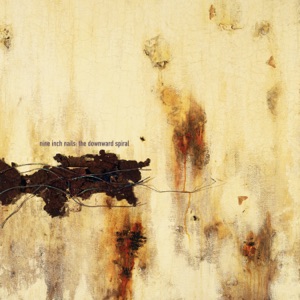

The Downward Spiral
Nine Inch Nails
1994


Doolittle
Pixies
1989

Ladies and gentlemen we are floating in space
Spiritualized
1997


songs
Adrianne Lenker
2020


Calling Out of Context
Arthur Russell
2000

Melody of Certain Damaged Lemons
Blonde Redhead
2000

Teens of Denial
Car Seat Headrest
2016

Alien Lanes
Guided By Voices
1995

In Rainbows
Radiohead
2007

Kid A
Radiohead
2000

Amnesiac
Radiohead
2001
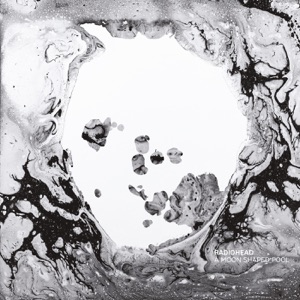
A Moon Shaped Pool
Radiohead
2016
Continue in the archive
Keep digging.
Hail to the Thief is one of 6,399 records logged here. Walk the canon, find a curator, or stumble into something new.
