

“This is Oliver Nelson's Skull Session. Oliver Nelson was an arranger in the 50s and 60s... he did an incredible record called Blues and the Abstract Truth, and there was a sequel to that. This is obviously from the 70s; I have no idea what this sounds like. I'd imagine it could be really insane; it could also sound like some Miles Davis record that people don't like.”Watch this moment

Skull Session
Oliver Nelson
Oliver Nelson's "Skull Session" emerges as a compelling exploration of jazz fusion, blending elements of big band, soul, and avant-garde in a way that feels both inventive and grounded. Released in 1975 on the Flying Dutchman label, the album showcases Nelson's distinct compositional style, driven by rich textures and dynamic arrangements. The instrumentation features a robust ensemble, including brass, woodwinds, and a rhythm section that propels the music with both sophistication and a laid-back groove. The album opens with the title track, which sets the tone with its complex harmonies and syncopated rhythms. Nelson's deft use of counterpoint and intricate solos invites listeners to engage deeply with the music. Tracks like "The Sound of Things" exhibit a playful yet contemplative mood, where the interplay between instruments creates a dialogue that feels both spontaneous and carefully crafted. Known for his work in the 1960s with the likes of Eric Dolphy and his own influential albums, Nelson here embraces a more eclectic palette, reflecting the broader cultural shifts of the 1970s. The production choices enhance the spatial quality of the sound, allowing each instrument its moment while maintaining a cohesive whole. "Skull Session" stands out not only for its artistic ambition but also for its ability to bridge different jazz styles, making it a notable entry in Nelson's discography. It invites repeated listens, rewarding those who pay attention to the subtle nuances and interactions within its richly layered compositions.
Picked by
Tracklist
8 tracks · 39:55 · click to preview1
Skull Session
6:04
2
Reuben's Rondo
3:02
3
125th Street & 7th Avenue
6:22
4
One For Duke
4:35
5
Dumpy Mama
4:45
6
Baja Bossa
7:22
7
In A Japanese Garden
3:11
8
Flight For Freedom
4:31










Kind of Blue
Miles Davis
1959
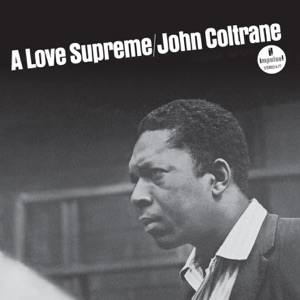

A Love Supreme
John Coltrane
1965


Journey in Satchidananda
Alice Coltrane
1971
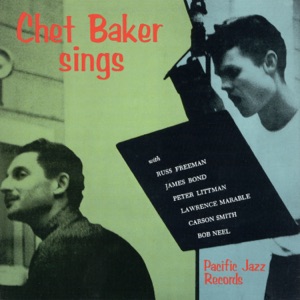

Chet Baker Sings
Chet Baker
1954
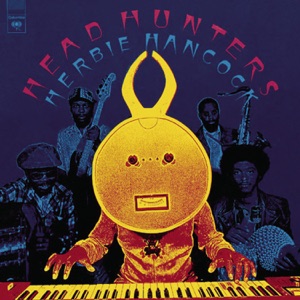
Head Hunters
Herbie Hancock
1973

Ella and Louis
Ella Fitzgerald & Louis Armstrong
1956


Bitches Brew
Miles Davis
1970

Black Gold (Live)
Nina Simone
1970

World Spirituality Classics 1: The Ecstatic Music of Alice Coltrane
Alice Coltrane
2017

Song of Innocence
David Axelrod
1968


Songs of Experience
David Axelrod
1969


Afro-Harping
Dorothy Ashby
1968

Tezeta
Hailu Mergia & The Walias
2021

Sextant
Herbie Hancock
1973
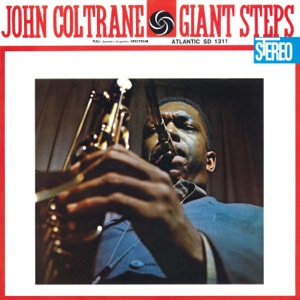
Giant Steps
John Coltrane
1960
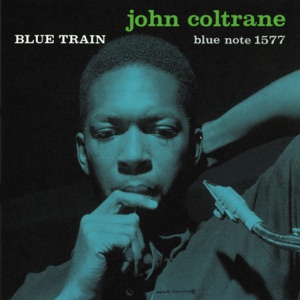
Blue Train
John Coltrane
1957
Continue in the archive
Keep digging.
Skull Session is one of 6,374 records logged here. Walk the canon, find a curator, or stumble into something new.

–
Skull Session · Oliver Nelson
0:00
0:30
Apple Music · 30s preview