


“Yeah, maybe the best one of the best jazz albums ever, of course.”Watch this moment
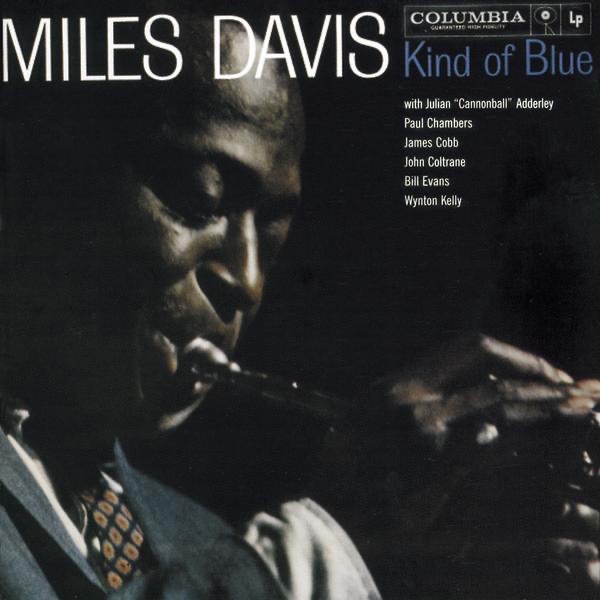
Kind of Blue
Miles Davis
Released in 1959, this album is a nuanced exploration of modal jazz, characterized by its relaxed tempos and rich harmonic landscapes. The instrumentation features a quintessential sextet, including the legendary saxophonist John Coltrane and pianist Bill Evans, whose subtle touch and introspective lines create a reflective atmosphere. The album opens with "So What," a track driven by a simple yet compelling bass line that establishes a meditative groove, inviting listeners into a world where improvisation reigns supreme. The production choices emphasize a warm, organic sound, with each instrument occupying its own space in the mix. Miles Davis’s trumpet, often muted, emits a soft, ethereal quality, while the rhythm section provides a fluid foundation that allows for expansive soloing. Tracks like "Freddie Freeloader" and "Blue in Green" showcase the interplay between the musicians, balancing structure and spontaneity, as they weave in and out of the modal framework. This album stands apart from its contemporaries due to its emphasis on mood and atmosphere rather than complex arrangements or rapid tempos. The cultural backdrop of the late 1950s, marked by a burgeoning interest in jazz as an art form, allows this work to resonate deeply with its audience, reflecting both the personal and collective experiences of the time. Each track invites a contemplative listening experience, making it a significant reference point in the jazz canon. The seamless interplay and emotional depth present throughout create a soundscape that feels both intimate and expansive, a hallmark of Davis’s innovative vision.
“I remember hearing my first Jazz album, which was Miles Davis Kind of Blue. This album blew my mind; that is when I started to fall in love with jazz music.”Watch this moment

“This is one record, just for me in my life, that I've listened to probably more than any other record. When I was a kid and I wanted to be a trumpet player and I'd play along with it all the time and do really terrible versions of Miles Davis' solos.”
“For me, this is just the best evening is listening to this. I recently did that in my apartment in Chelsea, New York when I built my first fire... 'Kind of Blue,' super late at night, some scotch, a fire, s'mores in my living room. It was amazing.”Watch this moment
“Everybody's heard these tunes a million times and people keep playing them, what is it, 60 years later. He so changed the entire idiom and the way music was conceived and what people expected of music, y'know, he just changed it, he changed everything.”Watch this moment
“Kind of Blue by Miles Davis... that's one of my favorite records.”Watch this moment
“Miles Davis, Kind of Blue, I don't know enough I feel like about jazz to really speak of it but I love listening to it. I'm super into Miles Davis for a long time... it's just a very cool, beautiful thing to have.”Watch this moment

“I actually transcribed all the baselines from this and it was really very important to my musical learning as a bass player and also starts with a bass solo.”Watch this moment
“Kind of Blue has always been something for me that like when I hear it, it's just healing, it's soothing for me.”Watch this moment
“Kind of Blue, this is Miles Davis. That is most elusive and most lucid. I had been studying him ever since I moved to New Orleans for 25 years to listen to trumpet players to figure out what I was doing wrong.”Watch this moment

Tracklist
5 tracks · 45:26 · click to preview1
So What
9:07
2
Freddie Freeloader
9:48
3
Blue In Green
5:35
4
All Blues
11:32
5
Flamenco Sketches
9:21


Sgt. Pepper's Lonely Hearts Club Band
The Beatles
1967


People's Instinctive Travels and the Paths of Rhythm
A Tribe Called Quest
2015


School's Out
Alice Cooper
1972


ISAM
Amon Tobin
2011
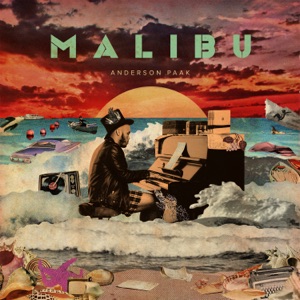

Malibu
Anderson .Paak
2016
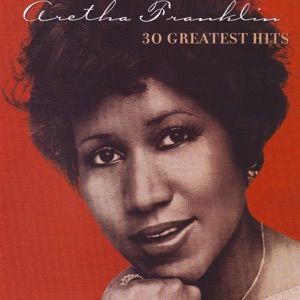

30 Greatest Hits
Aretha Franklin
1985

Check Your Head
Beastie Boys
1992


Brahms: The Four Symphonies
Berlin Philharmonic & Herbert von Karajan
1965
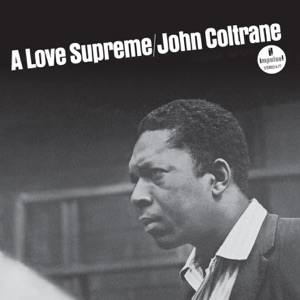
A Love Supreme
John Coltrane
1965

Journey in Satchidananda
Alice Coltrane
1971
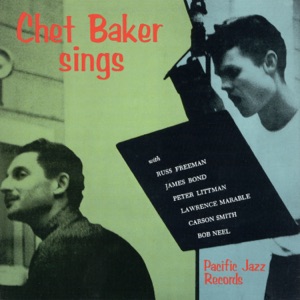

Chet Baker Sings
Chet Baker
1954
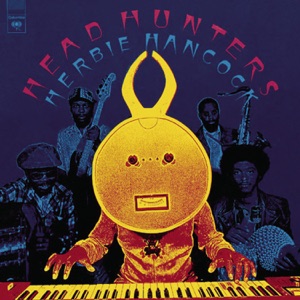
Head Hunters
Herbie Hancock
1973

Ella and Louis
Ella Fitzgerald & Louis Armstrong
1956


Bitches Brew
Miles Davis
1970

Black Gold (Live)
Nina Simone
1970

World Spirituality Classics 1: The Ecstatic Music of Alice Coltrane
Alice Coltrane
2017


Song of Innocence
David Axelrod
1968


Songs of Experience
David Axelrod
1969


Afro-Harping
Dorothy Ashby
1968

Tezeta
Hailu Mergia & The Walias
2021

Sextant
Herbie Hancock
1973
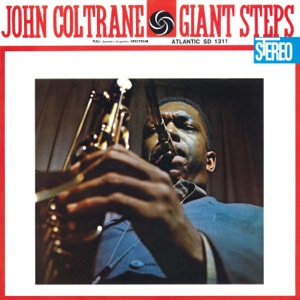
Giant Steps
John Coltrane
1960
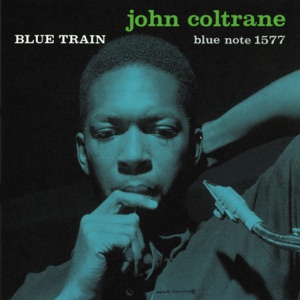
Blue Train
John Coltrane
1957

Crescent
John Coltrane Quartet
1964
Continue in the archive
Keep digging.
Kind of Blue is one of 6,374 records logged here. Walk the canon, find a curator, or stumble into something new.