


“this is my first record... I remember trying to figure out who Billy Joel was from this picture and being confused 'cause he's holding a trumpet and I thought he was a piano player and then hearing the song 'Honesty' and realizing that is a very honest song like his emotion and everything so that song stuck with me.”Watch this moment
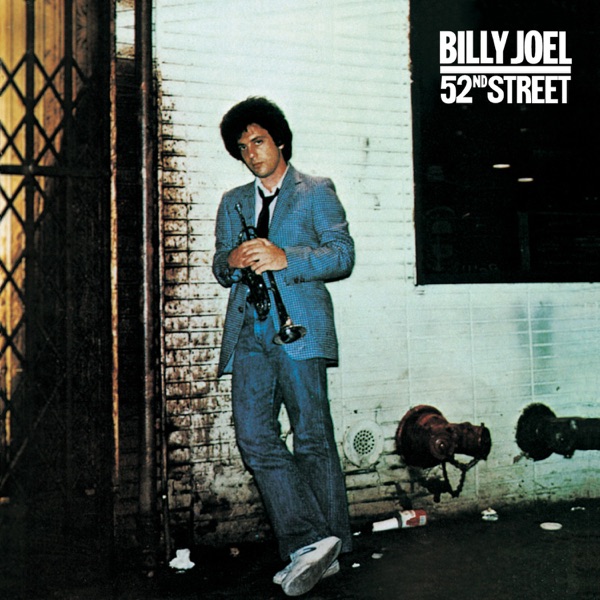
52nd Street
Billy Joel
Released in 1978, this album captures the vibrant essence of late-70s New York City through a blend of pop, jazz, and rock influences. The sound is characterized by rich instrumentation, incorporating lush brass sections, intricate piano melodies, and a rhythmic backbone that ranges from upbeat dance tempos to more reflective ballads. The production, helmed by Joel and his long-time collaborator Phil Ramone, employs a crisp clarity that allows each instrument to shine, making it a distinctive entry in the pop landscape of its era. The album opens with the energetic “Big Shot,” where a punchy saxophone riff sets the tone for a night out, while the evocative “Honesty” dives deep into vulnerability with its minimalist arrangement and poignant lyrics. The interplay between the piano and horns throughout the record creates a sophisticated texture that feels both contemporary and rooted in classic pop traditions. Notably, the title track, “52nd Street,” pays homage to the iconic Manhattan thoroughfare, capturing the hustle and bustle of city life. This album stands out not just for its polished sound but also for its lyrical storytelling that resonates with the cultural milieu of the late 70s—a time marked by both exuberance and introspection. In a musical landscape often dominated by rock, this work embraces a jazz-inflected sensibility, showcasing Joel’s ability to meld genres seamlessly. It's a vibrant snapshot of an era, reflecting both personal and collective narratives that continue to resonate today.
Picked by

Tracklist
9 tracks · 40:42 · click to preview1
Big Shot
4:03
2
Honesty
3:54
3
My Life
4:45
4
Zanzibar
5:16
5
Stiletto
4:42
6
Rosalinda's Eyes
4:42
7
Half a Mile Away
4:09
8
Until the Night
6:36
9
52nd Street
2:31
















Post
Björk
1995


Hounds of Love
Kate Bush
1985

Off the Wall
Michael Jackson
1979


Hejira
Joni Mitchell
1976


The Miseducation of Lauryn Hill
Lauryn Hill
1998

Spirit of Eden
Talk Talk
1988


21
Adele
2011

Debut
Björk
1993
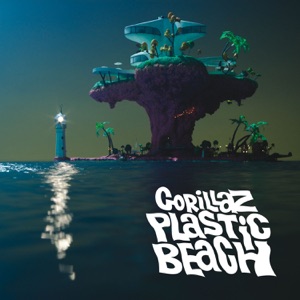

Plastic Beach
Gorillaz
2010


Control
Janet Jackson
1986
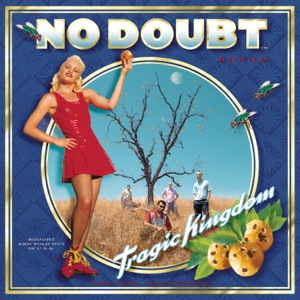
Tragic Kingdom
No Doubt
1995
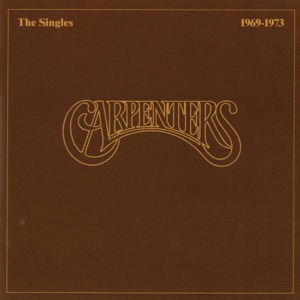
The Singles 1969-1973
Carpenters
1981
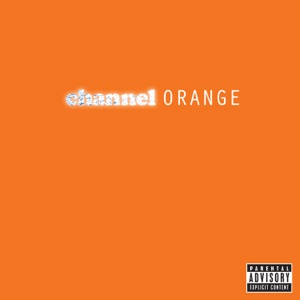
channel ORANGE
Frank Ocean
2012

The Dreaming
Kate Bush
1982
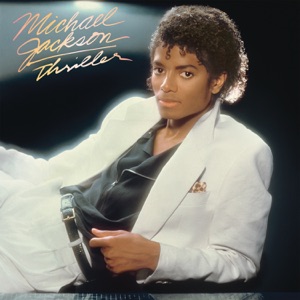
Thriller
Michael Jackson
1982

Pink Moon
Nick Drake
1972
Continue in the archive
Keep digging.
52nd Street is one of 6,374 records logged here. Walk the canon, find a curator, or stumble into something new.

